In Baguio City, Philippines, urban biodiversity is critical to safeguarding the city’s water supply, preventing landslides on steep slopes, preserving its signature cool microclimate, and protecting indigenous cultural heritage amid rapid urban sprawl. Baguio sits at roughly 1,400 meters, and less than 10% of its land area remains as protected watershed or forest cover. Its remaining green spaces serve as an essential life-support system for residents and surrounding communities.
Indigenous Peoples in Baguio play a vital role in conserving urban biodiversity. They actively protect critical watersheds and ancestral forest reserves, including the Busol Watershed and Barangay Happy Hollow, from encroachment. Through traditional resource management and community-based monitoring, indigenous women and organizations also preserve agrobiodiversity by maintaining heirloom seed sanctuaries and medicinal plant gardens. In addition, local governance mechanisms such as the Indigenous Peoples Mandatory Representatives (IPMRs) connect ancestral knowledge with modern urban planning, helping embed indigenous conservation practices in Baguio’s environmental policies and sustainability initiatives.
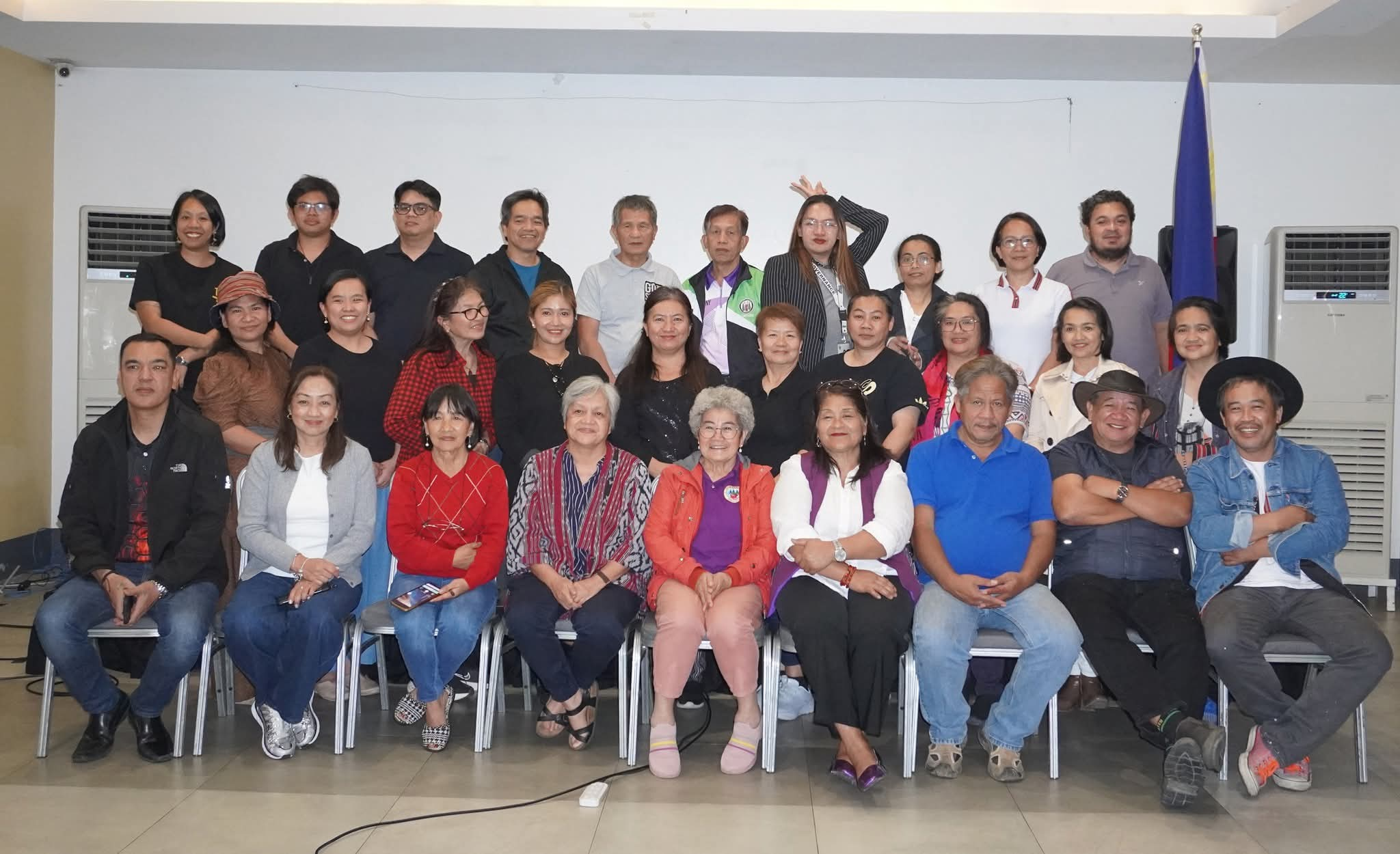
As part of its work promoting Indigenous knowledge and biodiversity conservation, Partners for Indigenous Knowledge Philippines (PIKP) conducted a capacity-building workshop for IPMRs and other local officials in Baguio City. The objectives of the workshop were to:
- Discuss the critical role of Indigenous Peoples in biodiversity governance, conservation, and the sustainable use of biological resources in Baguio City
- Introduce key biodiversity policy instruments, including the Convention on Biological Diversity (CBD), the Kunming–Montreal Global Biodiversity Framework (KMGBF), and the Philippine Biodiversity Strategy and Action Plan (PBSAP)
- Identify and share local biodiversity conservation and sustainable-use initiatives in Baguio City
- Familiarize participants with the Indigenous Peoples’ Biodiversity Strategy and Action Plan (IPBSAP)

After inputs on biodiversity conservation were shared, participants were invited to present their own initiatives in their communities. These local initiatives were then linked to the targets in the KMGBF and IPBSAP to demonstrate that local actions contribute significantly to attaining national and global biodiversity targets. Participants also shared recommendations to improve or strengthen biodiversity conservation in the city.
This was followed by a planning session in which participants identified future activities, including information and education campaigns on biodiversity, additional capacity-building activities for local communities, localization of the IPBSAP, and integration of biodiversity initiatives into local plans.
After the activity, participants expressed their renewed commitment to conserving Baguio City’s biodiversity by strengthening local actions. In his remarks, Baguio City IPMR Maximo Edwin stated, “Let us learn from one another so that when we return to our communities, we are better equipped to defend both our cultural identity and the fragile mountain environment that sustains every resident of Baguio.”