Access to financial skills and capital is something many Indigenous communities have long gone without.
Through land use plans and sustainable livelihood activities as part of the Transformative Pathways project, that gap is beginning to close as nine community-based organisations (CBOs) across three regions have received grants to support a range of activities. The grants are intended to strengthen the groups’ economic standing, and every activity they support is geared towards conservation and easing the pressure on forest resources. Because of that focus, the benefits have reached communities adjacent to the forest as well as those living within it.

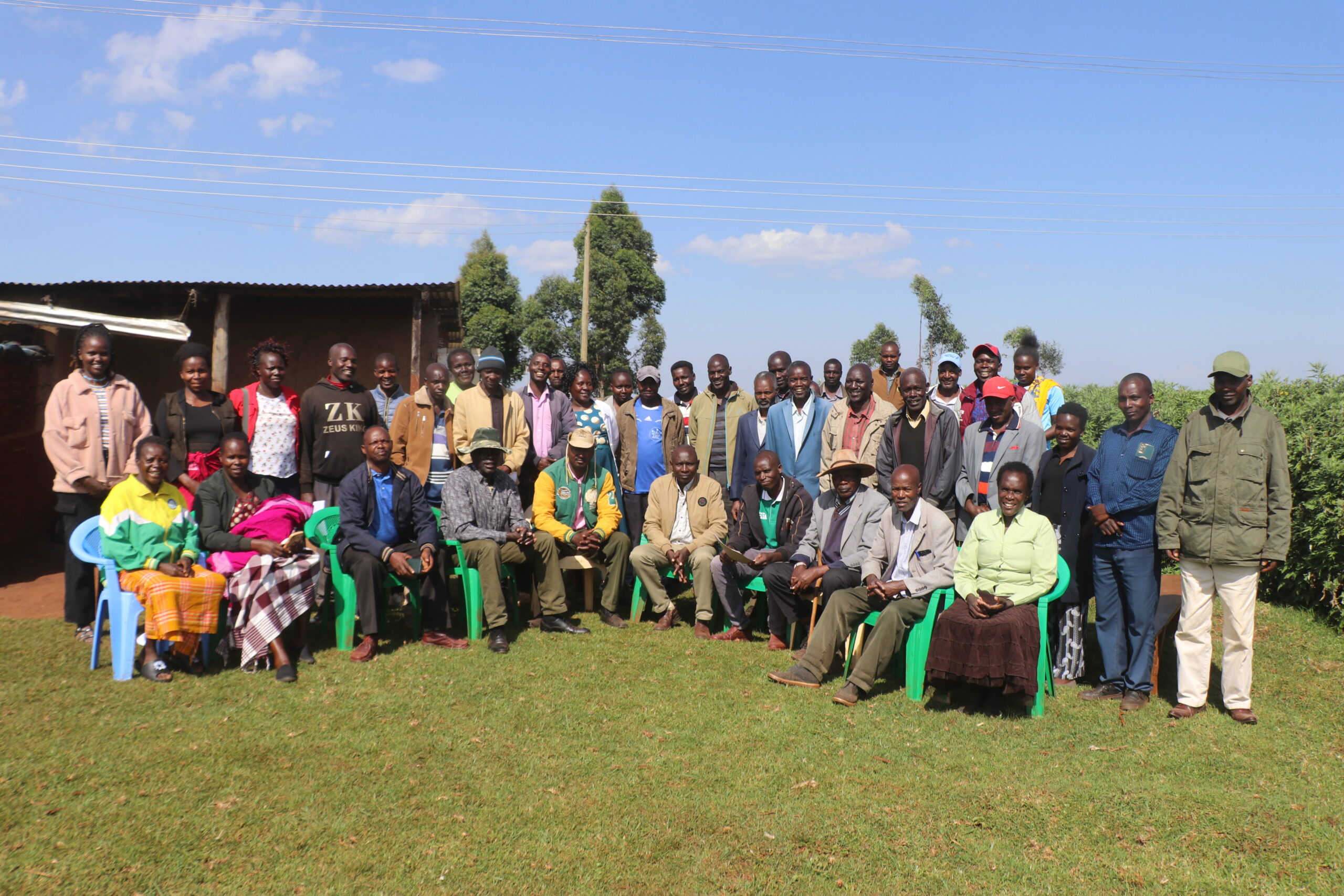
A group from Endebess, Trans-Nzoia County, during a training on financial literacy. Credit: CIPDP
The supported activities span five areas:
- Ecosystem restoration: planting indigenous trees to rehabilitate forest habitats and strengthen local biodiversity.
- Sustainable agriculture: promoting agroforestry and conservation techniques that improve soil health, water retention and climate resilience.
- Livelihood diversification: developing alternative income streams, such as beekeeping, that reduce dependence on forest resources.
- Inclusive governance: broadening participation by involving men, women and youth in environmental stewardship.
- Capacity building: improving financial transparency, accountability and project planning within CBOs to ensure resources are used efficiently.
Expected outcomes are higher household incomes, greater resilience to climate-related pressures and stronger environmental awareness across the communities involved. These efforts are working towards a model of sustainable natural resource management, one capable of protecting the heritage of Mt. Elgon for generations to come.