The Kunming-Montreal Global Biodiversity Framework (KMGBF), adopted in 2022, marks a historic milestone in international environmental policy through its explicit and unequivocal recognition of Indigenous Peoples’ rights and contributions to conservation.
As a next step, Parties to the UN Convention on Biological Diversity were required to update and revise their National Biodiversity Strategies and Action Plans (NBSAPs) to align with the KMGBF within two years. These updates, still ongoing in many countries, provide a prime opportunity to strengthen Indigenous Peoples’ rights and integrate their knowledge.
This regional report is part of a series documenting Indigenous Peoples’ and advocates’ experiences with NBSAP revision processes in several Asian countries where AIPP members and partners are active. By examining both successful engagement strategies and persistent challenges, they offer insights for other Indigenous advocates, highlight key concerns for policy-makers, and point to important opportunities for allies to support Indigenous Peoples.
Regional Report
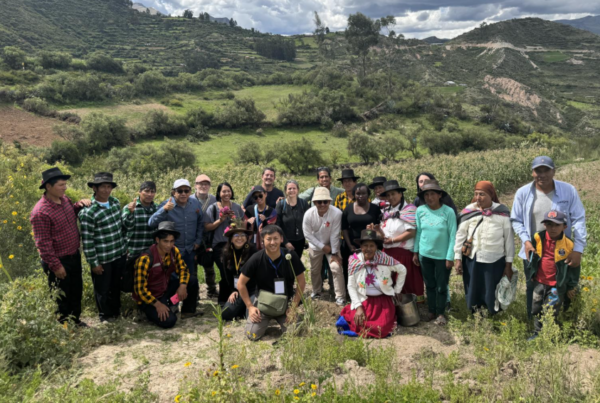
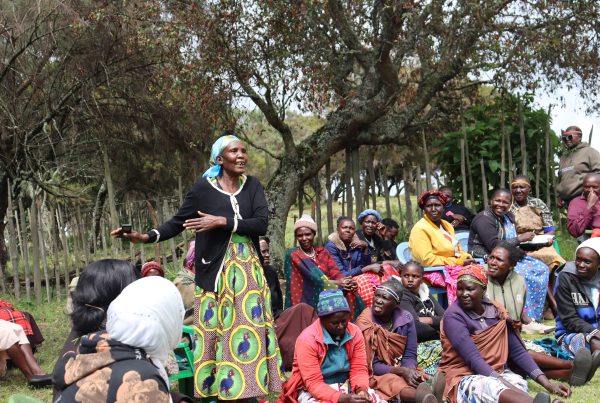
This report documents how Indigenous Peoples have engaged in and been included in the NBSAP revision processes across 15 Asian countries where AIPP members and partners are active. It follows the footsteps of Indigenous leaders, including men, women, youth and persons with disabilities, who have worked tirelessly to influence biodiversity decisions – both from the ground up and from the global level down. It highlights persistent challenges, including structural barriers and normalized unjust practices, and the transformative power of Indigenous-led biodiversity governance, including innovative and pioneering work.
The findings are intended for Indigenous advocates working on conservation, Indigenous knowledge, land rights and human rights issues, providing insights into strategic approaches for engaging with national biodiversity planning processes. They may also be useful to government officials and Indigenous Peoples’ allies who seek to contribute to more inclusive and effective pathways to implementing the KMGBF and its vision of inclusive conservation governance.