Category

Report

Indigenous Peoples’ Experience with the Revision of Nepal’s NBSAP AIPPAsiaBiodiversity monitoringInternational processesReport
05.03.26

Indigenous Peoples’ Experience with the Revision of Nepal’s NBSAP

The Kunming-Montreal Global Biodiversity Framework (KMGBF), adopted in 2022, marks a historic milestone in international environmental policy through its explicit and unequivocal recognition of Indigenous Peoples’ rights and contributions to conservation.As a next step, Parties to the UN Convention on Biological Diversity were required to…
From Participation to Power: Indigenous Peoples, NBSAPs and the Implementation Gap in Asia AIPPAsiaBiodiversity monitoringInternational processesPhilippinesReportThailand
05.03.26

From Participation to Power: Indigenous Peoples, NBSAPs and the Implementation Gap in Asia

The Kunming-Montreal Global Biodiversity Framework (KMGBF), adopted in 2022, marks a historic milestone in international environmental policy through its explicit and unequivocal recognition of Indigenous Peoples’ rights and contributions to conservation.As a next step, Parties to the UN Convention on Biological Diversity were required to…
Engagement in the Revision on the National Biodiversity Strategy and Action Plans: Regional Report AIPPAsiaBiodiversity monitoringInternational processesReport
05.03.26

Engagement in the Revision on the National Biodiversity Strategy and Action Plans: Regional Report

The Kunming-Montreal Global Biodiversity Framework (KMGBF), adopted in 2022, marks a historic milestone in international environmental policy through its explicit and unequivocal recognition of Indigenous Peoples’ rights and contributions to conservation.As a next step, Parties to the UN Convention on Biological Diversity were required to…
From Consultation to Leadership: Indigenous Peoples’ Rights in the Philippine NBSAP AIPPAsiaBiodiversity monitoringInternational processesPhilippinesReport
05.03.26

From Consultation to Leadership: Indigenous Peoples’ Rights in the Philippine NBSAP

The Kunming-Montreal Global Biodiversity Framework (KMGBF), adopted in 2022, marks a historic milestone in international environmental policy through its explicit and unequivocal recognition of Indigenous Peoples’ rights and contributions to conservation.As a next step, Parties to the UN Convention on Biological Diversity were required to…
Fighting for a Seat at the Table – Indigenous Peoples and Thailand’s Biodiversity Strategy AIPPAsiaBiodiversity monitoringIMPECTInternational processesReportThailand
05.03.26

Fighting for a Seat at the Table – Indigenous Peoples and Thailand’s Biodiversity Strategy

The Kunming-Montreal Global Biodiversity Framework (KMGBF), adopted in 2022, marks a historic milestone in international environmental policy through its explicit and unequivocal recognition of Indigenous Peoples’ rights and contributions to conservation.As a next step, Parties to the UN Convention on Biological Diversity were required to…
5th NBSAP and Indigenous Peoples Rights in Thailand: Opportunities and Limitations in Sustainable Biodiversity Management AsiaBiodiversity monitoringIMPECTInternational processesReportThailand
05.03.26

5th NBSAP and Indigenous Peoples Rights in Thailand: Opportunities and Limitations in Sustainable Biodiversity Management

Inter-Mountain Peoples Education and Cultural in Thailand Association-IMPECT, in collaboration with the Council of Indigenous People in Thailand-CIPT, has released an analytical report on the participation of Indigenous Peoples in Thailand in the process of developing and reviewing the National Biodiversity Strategy and Action Plan…
Community-based monitoring of freshwater turtles AfricaAsiaBiodiversity monitoringCommunity-led conservationGlobalRegionReportThe AmericasThemesTraditional and local knowledgeType
09.02.26

Community-based monitoring of freshwater turtles

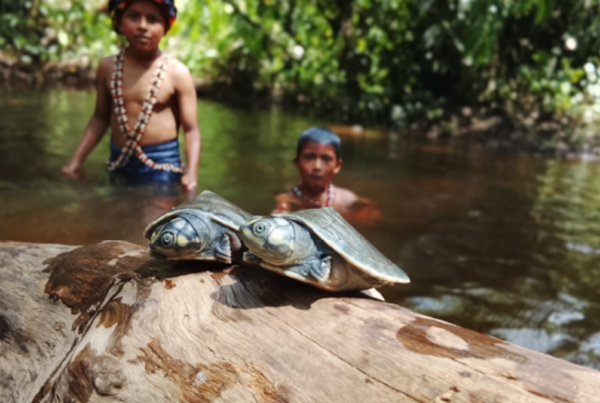
“Community-based monitoring of freshwater turtles” outlines six stages in setting up and carrying out community-based monitoring of freshwater turtles.To successfully apply this turtle monitoring guide, the monitoring team is encouraged to receive ongoing training, including proper completion of forms, operation of GPS devices and semi-professional…
Community-based monitoring of river health and biodiversity Biodiversity monitoringCountryFPPICCSRegionReport
18.11.25

Community-based monitoring of river health and biodiversity

For Indigenous Peoples and local communities, rivers are not just sources of water—they are also essential for fishing, cooking, travelling, and sustaining daily life. In many cultures they also have deep spiritual significance. Where rivers become unhealthy, the impacts on people’s health, cultures and wellbeing…
“It is the way we live that conserves”: Legal models for rights-based conservation AfricaCommunity-led conservationFPPKenyaLand and resource rightsReportThe Americas
13.11.25

“It is the way we live that conserves”: Legal models for rights-based conservation

In this paper, we briefly review legal models for rights-based conservation from Australia, Tanzania, Kenya, Guyana, Brazil and Canada. We then outline some lessons learned and outline some general points of good practice for successful rights-based conservation. A fundamental prerequisite for rights-based conservation is recognition…