
Category

Biodiversity monitoring

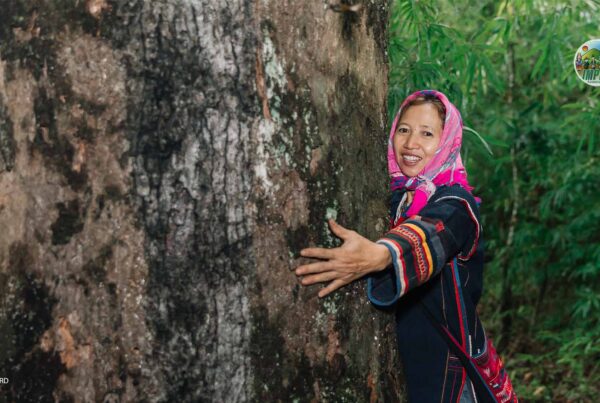
Fighting for a Seat at the Table – Indigenous Peoples and Thailand’s Biodiversity Strategy AIPPAsiaBiodiversity monitoringIMPECTInternational processesReportThailand
05.03.26

Fighting for a Seat at the Table – Indigenous Peoples and Thailand’s Biodiversity Strategy

The Kunming-Montreal Global Biodiversity Framework (KMGBF), adopted in 2022, marks a historic milestone in international environmental policy through its explicit and unequivocal recognition of Indigenous Peoples’ rights and contributions to conservation.As a next step, Parties to the UN Convention on Biological Diversity were required to…
UNEP-WCMC, FPP and the Secretariat of the CBD co-host the Second Expert Workshop on Traditional Knowledge Indicators ArticleBiodiversity monitoringGlobalInternational processesUNEP-WCMC
05.03.26

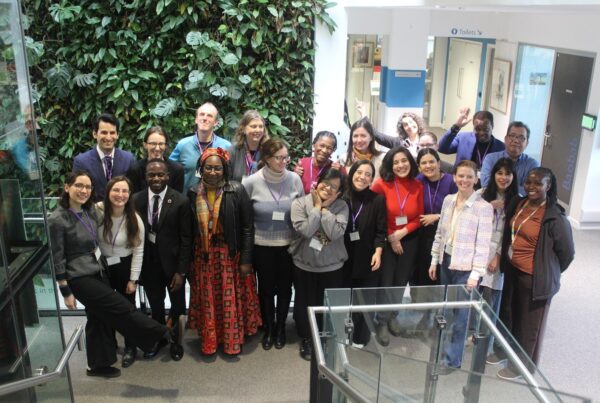
UNEP-WCMC, FPP and the Secretariat of the CBD co-host the Second Expert Workshop on Traditional Knowledge Indicators

To achieve the world’s major international commitment on biodiversity, the Kunming-Montreal Global Biodiversity Framework (KMGBF), countries must respect and promote the rights of Indigenous Peoples and local communities. Rights-based monitoring of biodiversity concerns not only what information and data are used but also how monitoring…
5th NBSAP and Indigenous Peoples Rights in Thailand: Opportunities and Limitations in Sustainable Biodiversity Management AsiaBiodiversity monitoringIMPECTInternational processesReportThailand
05.03.26

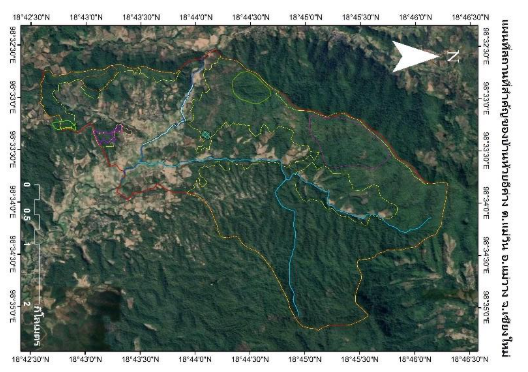
5th NBSAP and Indigenous Peoples Rights in Thailand: Opportunities and Limitations in Sustainable Biodiversity Management

Inter-Mountain Peoples Education and Cultural in Thailand Association-IMPECT, in collaboration with the Council of Indigenous People in Thailand-CIPT, has released an analytical report on the participation of Indigenous Peoples in Thailand in the process of developing and reviewing the National Biodiversity Strategy and Action Plan…
Introducing a New Resource for Community-led Monitoring of Freshwater Turtles Biodiversity monitoringBlogCommunity-led conservationCountryFPPGTANWICCSPartnersThemesTraditional and local knowledgeType
18.02.26

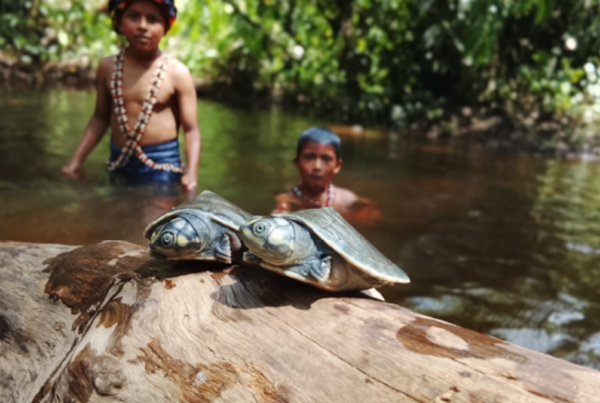
Introducing a New Resource for Community-led Monitoring of Freshwater Turtles

By Dr. Albana Berberi of Carleton University, joint blog post with the Interdisciplinary Centre for Conservation Science and Forest Peoples Programme.As adverse human impacts are driving rapid wildlife declines, monitoring vulnerable species is important now more than ever. Many freshwater turtles fall into this vulnerable…
Community-based monitoring of freshwater turtles AfricaAsiaBiodiversity monitoringCommunity-led conservationGlobalRegionReportThe AmericasThemesTraditional and local knowledgeType
09.02.26

Community-based monitoring of freshwater turtles

“Community-based monitoring of freshwater turtles” outlines six stages in setting up and carrying out community-based monitoring of freshwater turtles.To successfully apply this turtle monitoring guide, the monitoring team is encouraged to receive ongoing training, including proper completion of forms, operation of GPS devices and semi-professional…
Securing success for conservation and rights – perspectives from Indigenous Peoples on implementing Target 3 ArticleBiodiversity monitoringCIPDPCommunity-led conservationIMPECTKenyaPASDThailandThemes
09.12.25

Securing success for conservation and rights – perspectives from Indigenous Peoples on implementing Target 3

Target 3 of the Global Biodiversity Framework (GBF) commits countries to conserve at least 30 per cent of land, inland waters, and oceans by 2030, while also recognising and respecting the rights of Indigenous Peoples and of local communities in all forms of conservation. The…
Introducing a New Resource for Community-led monitoring of River Health and Biodiversity Biodiversity monitoringBlogFPPICCS
25.11.25

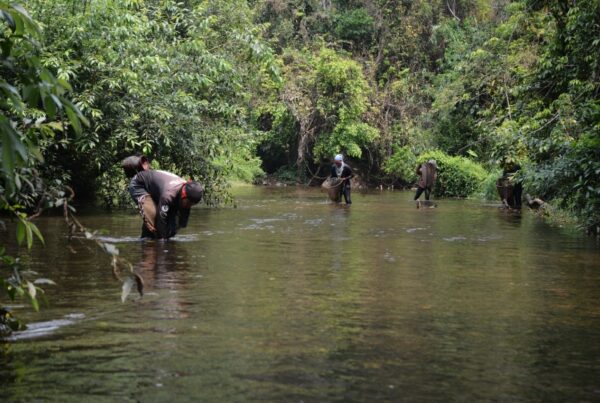
Introducing a New Resource for Community-led monitoring of River Health and Biodiversity

This piece was written by Dr Albana Berberi of Carleton University, Canada, and originally published on ICCS.org.ukGlobally, rivers are facing increasing pressure from adverse human activities and development. Pollution, habitat loss, species declines, and unsustainable resource use are common challenges facing freshwater ecosystems. At the same…
Community-based monitoring of river health and biodiversity Biodiversity monitoringCountryFPPICCSRegionReport
18.11.25

Community-based monitoring of river health and biodiversity

For Indigenous Peoples and local communities, rivers are not just sources of water—they are also essential for fishing, cooking, travelling, and sustaining daily life. In many cultures they also have deep spiritual significance. Where rivers become unhealthy, the impacts on people’s health, cultures and wellbeing…
Sound as language: Biodiversity monitoring and CoMapeo’s new audio recording feature Biodiversity monitoringBlogCIPDPPartnersThemesType
16.09.25

Sound as language: Biodiversity monitoring and CoMapeo’s new audio recording feature

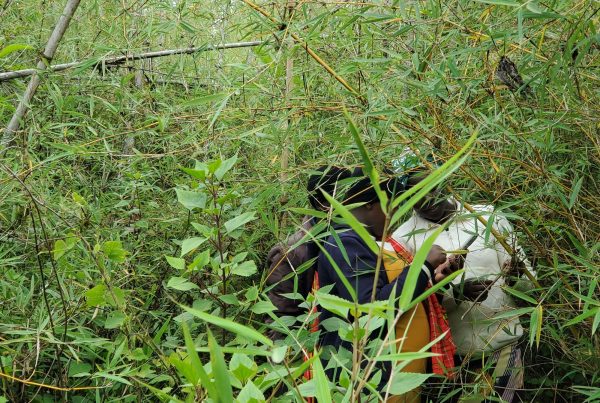
This blog article was originally written by María Alvarez Malvido for Awana Digital. Cover photo: Ogiek women using CoMapeo in the bamboo forests of Mt Elgon, Kenya, during biodiversity monitoring training. Photo by María Alvarez Malvido. “We call it sound, but it’s actually a language. Sound…
Bringing voices together in Cambridge on community-led biodiversity monitoring Biodiversity monitoringBlogCommunity-led conservationInternational processesKenyaLMThailandTraditional and local knowledgeUNEP-WCMC
01.08.25

Bringing voices together in Cambridge on community-led biodiversity monitoring

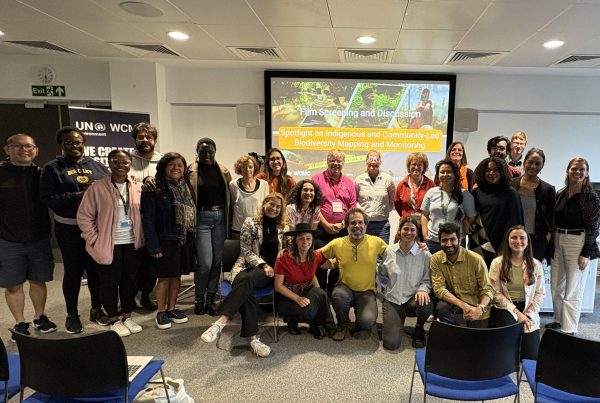
In advance of the International Day of the World’s Indigenous People, on 1st of August 2025, UNEP-WCMC hosted a screening of documentary film "Mapping and Monitoring on Indigenous Territories" by  LifeMosaic, followed by a knowledge exchange session on community-led biodiversity monitoring systems with contributions from indigenous…