"We monitor what we value, and we value what we monitor."
Josefa Tauli, Global Youth Biodiversity Network (GYBN)
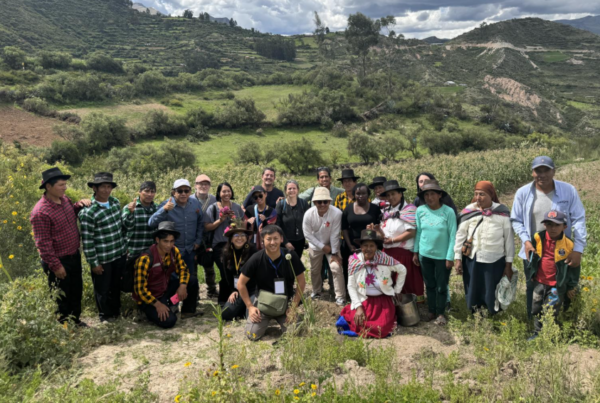
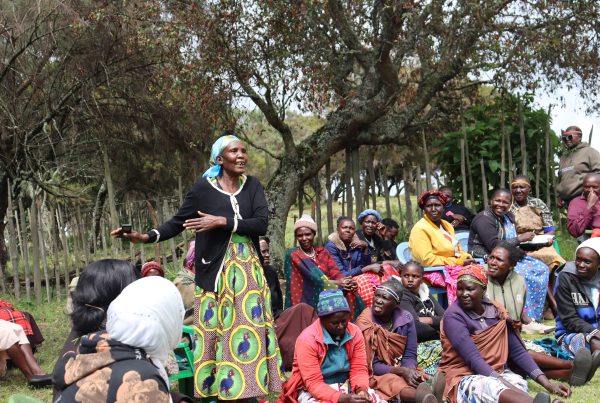
To achieve the world’s major international commitment on biodiversity, the Kunming-Montreal Global Biodiversity Framework (KMGBF), countries must respect and promote the rights of Indigenous Peoples and local communities. Rights-based monitoring of biodiversity concerns not only what information and data are used but also how monitoring takes place, and whose knowledge is valued.
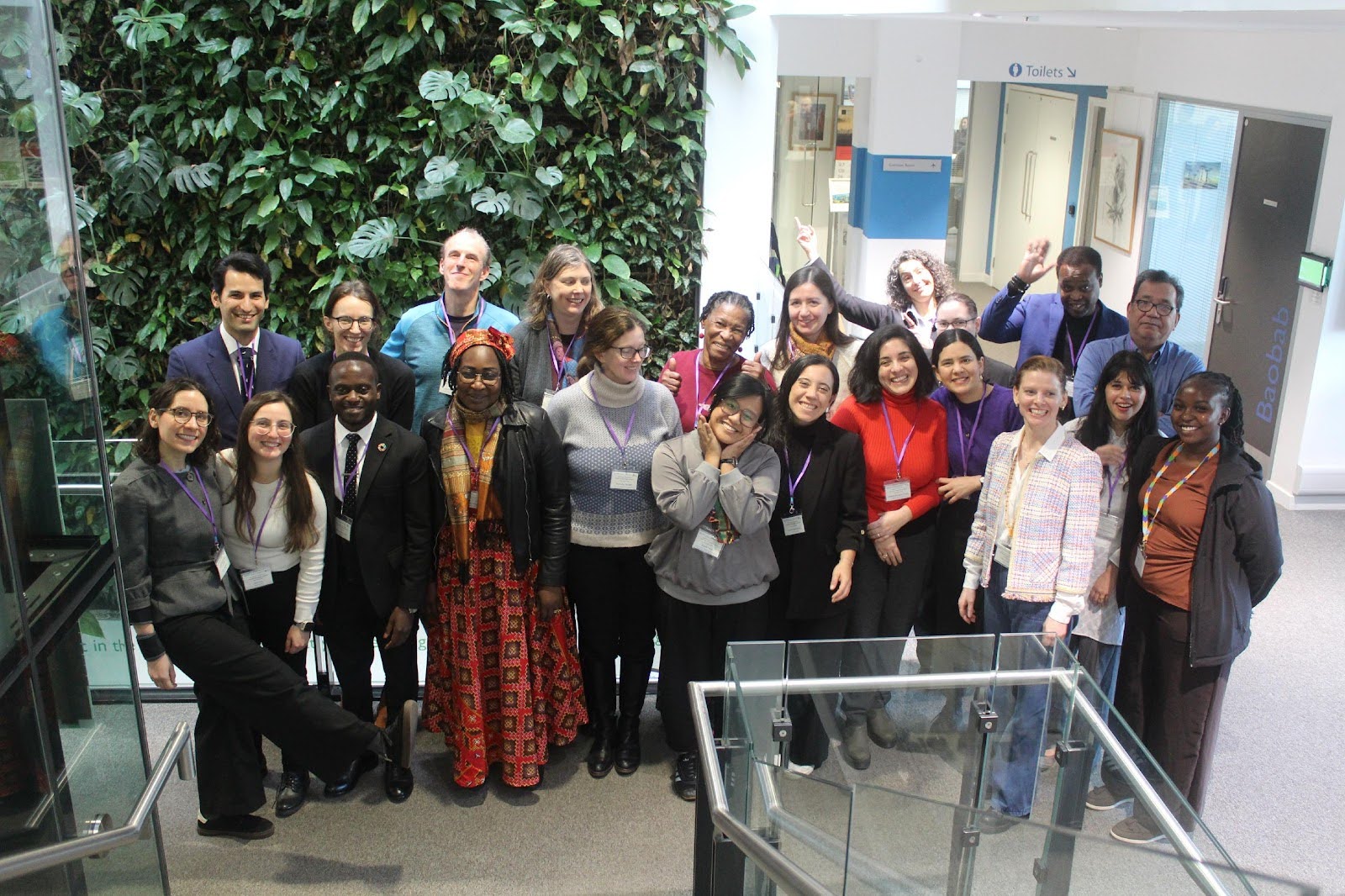
In January, a workshop in Cambridge (UK) brought together more than 30 experts from Indigenous and local organisations, governments, the Secretariat to the Convention on Biological Diversity, and technical agencies from 4 continents, to discuss experiences and progress with rights-based monitoring under the KMGBF.
Over 3 days, participants shared examples of Community-Based Monitoring and Information Systems (CBMIS) for biodiversity monitoring and experiences of local-national collaboration.
In the Philippines, the Philippine Association for Intercultural Development (PAFID) has been using participatory mapping to generate evidence on trends in traditional occupations and livelihoods, trends in Indigenous languages, and trends in biodiversity on lands and territories managed by Indigenous Peoples. Results show a clear indication that areas where traditional occupations are practiced align with areas of enhanced biodiversity.
Participants noted that data such as this is not only important for illustrating a more comprehensive account of biodiversity trends, but also as a tool for Indigenous self-determination and for strengthening evidence and advocacy for Indigenous Peoples land and territorial rights. Insights from youth engagement in Kenya, Colombia and Cameroon, also highlighted Indigenous-led monitoring as a space and a mechanism for intergenerational knowledge sharing, meaning that the process is just as important as the data that comes out of the monitoring.
The workshop also sought to explore what enables or limits the uptake of the Traditional Knowledge (TK) indicators developed to measure progress on the targets of the KMGBF in national monitoring and reporting. At present, the inclusion of TK indicators in countries’ national reports is relatively low, and the knowledge and monitoring systems of Indigenous peoples and local communities are under-recognised and insufficiently integrated into national monitoring and reporting frameworks.
For all of the discussed indicators, participants identified the need for accompanying guidance to help governments and non-state actors understand, interpret and use the indicator methodologies. Stronger coordination between government ministries and the institutionalisation of mechanisms that integrate CBMIS into national monitoring and reporting processes was also highlighted.
In Cameroon, using a participatory process, engagement between the African Women’s Network for Community Forest Management (REFACOF) and the government contributed to the integration of gender considerations into the National Biodiversity Strategy and Action Plan (NBSAP), highlighting the importance of meaningful engagement and dialogue and the range of mechanisms needed to facilitate the contributions of non-state actors in decision-making.
In Colombia, the National Commission on Indigenous Territories (CNTI) are working alongside the Instituto de Investigación de Recursos Biológicos Alexander von Humboldt to develop geographic information systems (GIS) that combine Indigenous data and government data to evidence biodiversity trends on Indigenous lands and territories. Despite good progress, some methodological challenges remain, such as how to make the land use GIS data interoperable with data on human rights defenders and other government datasets. To improve the uptake of the indicator on land use change and land tenure, CNTI noted the need to increase technical, financial and political support towards the inclusion of Indigenous information systems in national uses of the indicator.
The insights gathered during the workshop will be developed into practical case studies that highlight the experiences, challenges, needs and opportunities for improving rights-based monitoring, including bridging CBMIS with national monitoring processes. These case studies will be submitted to help inform discussions on planning, implementation, monitoring and reporting at CBD SBSTTA29 and COP17.