Peru

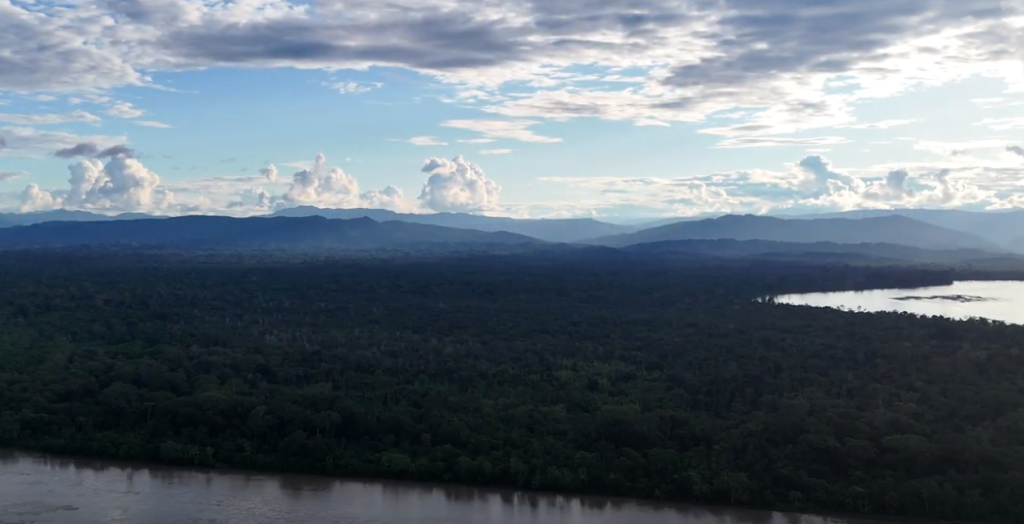
In Peru, the Transformative Pathways project is focused on strengthening indigenous people’s initiatives for protecting biodiversity and governing their territories in the Andean-Amazon regions. This is done through the application – and documentation – of traditional Andean-Amazonian agroecological approaches and territory-based provisioning systems. 

Key participants in this country’s project are the Wampis in the regions of Amazonas and Loreto (Northern Amazon), the Yanesha people in Pasco (Selva Central), and the Quechua people in Ayacucho. 

The project in Peru is implemented by two organisations – The Autonomous Territorial Government of The Wampis Nation (GTANW) and CHIRAPAQ, Centre of Indigenous Cultures of Peru.

Dashed line

Activity
Article

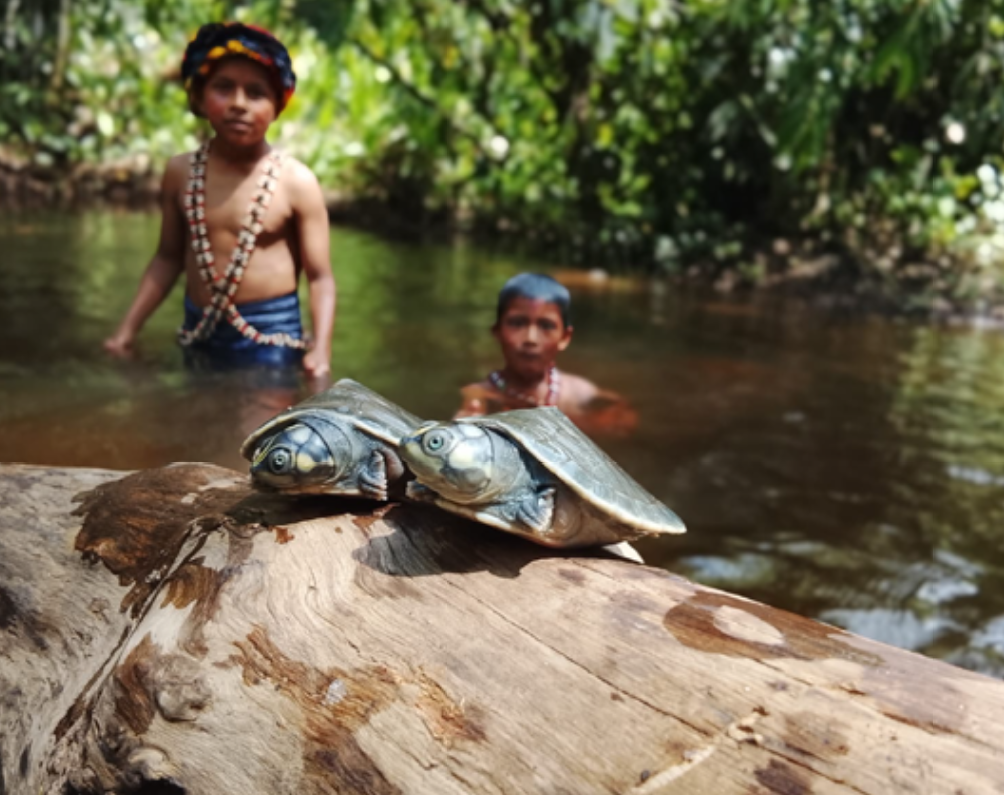
Community-Led Freshwater Turtle Conservation: Learning from and Supporting the Wampís Nation

This post was co-written by Hernán Flores (Technical lead for the Autonomous Territorial Government of the Wampis Nation) and Dr. Albana Berberi (Interdisciplinary Centre for Conservation Science).Freshwater turtles are long-lived animals that play an important role in maintaining healthy aquatic ecosystems. They also provide countless…
Video

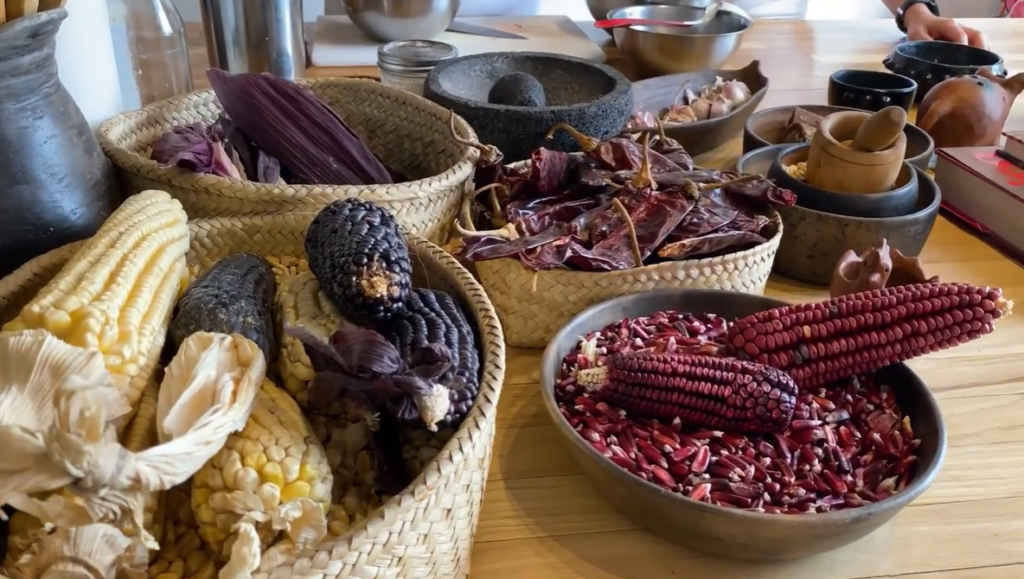
Indigenous Food Sovereignty

This film is a journey into the heart of Indigenous Peoples’ food systems where food is sacred, land is life, and diversity is resilience. Through powerful testimonies from communities across the globe, it reveals how ancestral knowledge and cultural traditions not only nourish bodies but…
Article

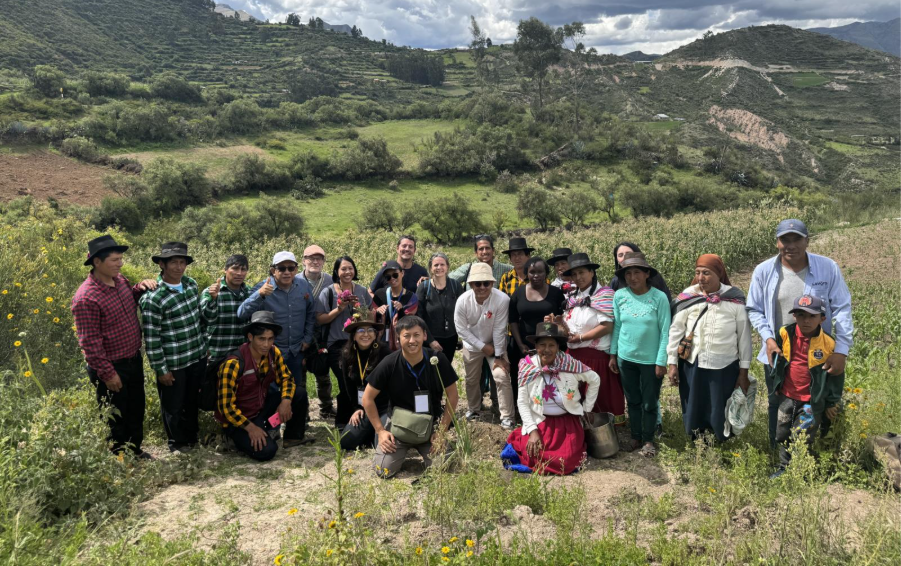
Transformative Pathways Annual Meeting in Ayacucho, Peru

Between 11 and 15 February 2026, members from 12 of the 13 partner organisations of the Transformative Pathways project met in Ayacucho, Peru to share experiences, build solidarity and to work together to strengthen Indigenous Peoples’ work to conserve and sustainably use biodiversity. Hosted by the CHIRAPAQ - Centre for Indigenous Cultures in Peru, the meeting began…
Article

Transformative Pathways reimagining conservation at the IUCN Congress 2025

See full list of sessions with Transformative Pathways partners’ participation at the end of this page.  In October, representatives of several Transformative Pathways partner organisations will be travelling to Abu Dhabi in the United Arab Emirates to participate in the IUCN World Conservation Congress, which…
Blog

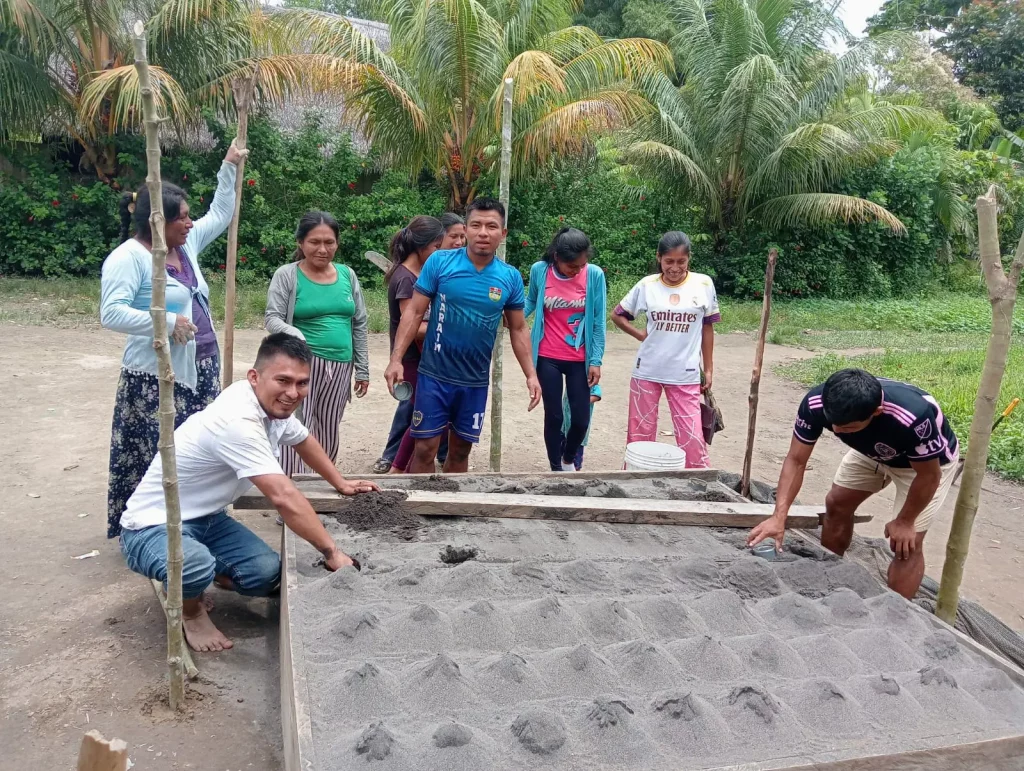
The Wampís Nation leads the repopulation of aquatic turtles in the Kankaim and Kanus river basins

As part of its autonomous territorial governance policy, the Autonomous Territorial Government of the Wampís Nation (GTANW), together with six communities in the Kankaim (Morona) and Kanus (Santiago) river basins, is promoting a successful plan for the management and repopulation of taricayas and charapas. To…
Video

Constructing Autonomy – Stories of Indigenous Governance in Peru

A video about indigenous autonomous governance in Peru, looking in detail at the Wampis and Awajun Autonomous Territorial Governments. Many indigenous peoples in the Americas are implementing their own governance systems. Among them are the Wampis and Awajún, who control and manage large territories in…

Further info

Key Activities

  • Supporting community-based monitoring and communal territorial governance systems
  • Regenerating biodiversity and strengthening communal food sovereignty, livelihoods and traditional occupations
  • Application of Andean-Amazonian agroecological approaches, including reforestation and recovery of endangered animal and plant species
  • Scoping studies and strategies to develop territory-based provisioning systems for food, water, livelihoods and waste management
  • Intergenerational knowledge sharing, education of indigenous youth around protection of traditional knowledge, territory and responding to current socio-ecological challenges
  • Advocacy and national-level dialogues around laws and proposals relating to biodiversity and indigenous peoples’ territories
  • Supporting indigenous communities to document and share experiences
  • Promoting the inclusion of indigenous community-led initiatives in CBD (e.g. contributions to NBSAPs) and the Intergovernmental Science-Policy Platform on Biodiversity and Ecosystem Services (IPBES) processes
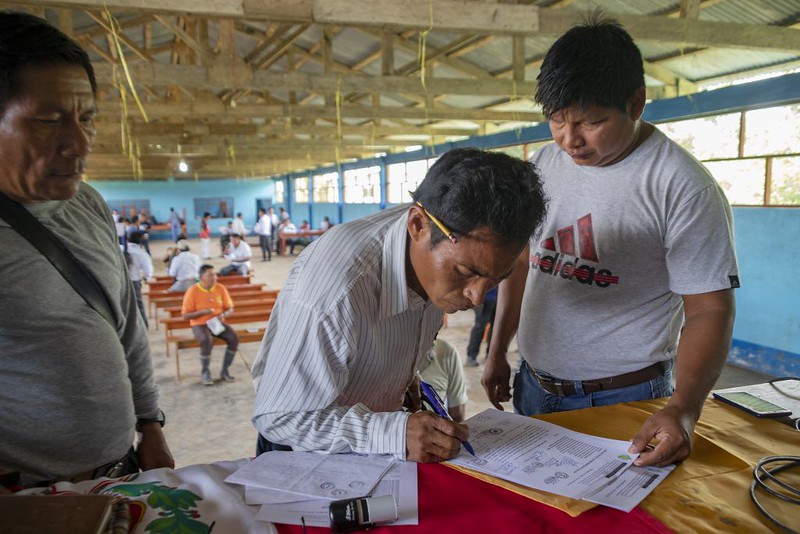
Imiarus sign agreement, 19 March 2021. Photo by Diego Benavente Marchán / GTANW
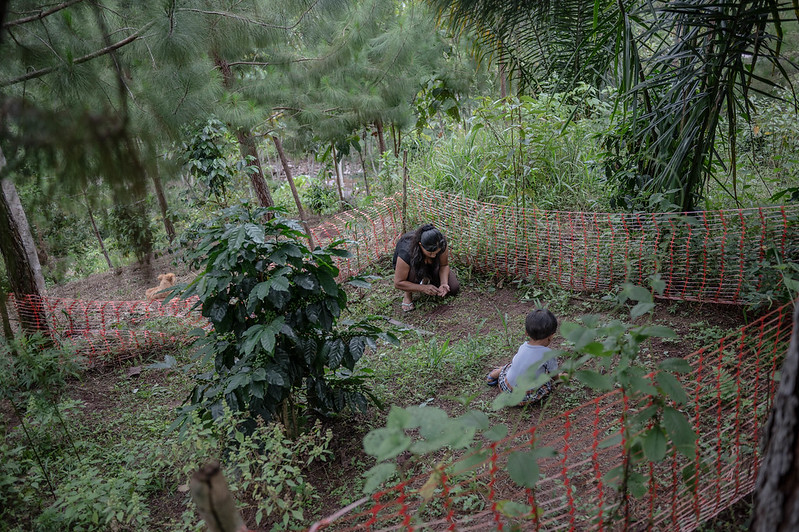
Fiorella López Manchari (37 years old) of the Yanesha people grows vegetables in her family's bio-garden. Unión de La Selva Native Community, district of Villa Rica, province of Oxapampa, Pasco region, Peru.
Fiorella López Manchari (37 years old) of the Yanesha people grows vegetables in her family’s bio-garden. Unión de La Selva Native Community, district of Villa Rica, province of Oxapampa, Pasco region, Peru. Photo: Luisenrrique Becerra Velarde / CHIRAPAQ.