Category

Partners

The Akha community’s cultural and spiritual role in forest conservation and wildfire prevention in Thailand AsiaBlogCommunity-led conservationIMPECTThailandTraditional and local knowledge
05.03.26

The Akha community’s cultural and spiritual role in forest conservation and wildfire prevention in Thailand

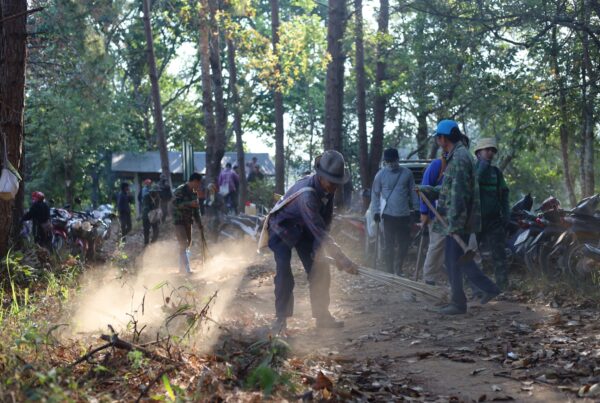
Ban Doi Ngam Village (Akha community), Thailand Elders from the Akha community in Doi Ngam Village conduct a ritual to bless the watershed prior to initiating firebreak construction, reflecting the community’s cultural and spiritual role in forest conservation and wildfire prevention. During the ritual, community…
Faiths, traditions and Forest-conserved rituals of the Lisu people in Mae-E-laeb village AsiaCommunity-led conservationIMPECTThailandTraditional and local knowledgeVideo
04.03.26

Faiths, traditions and Forest-conserved rituals of the Lisu people in Mae-E-laeb village

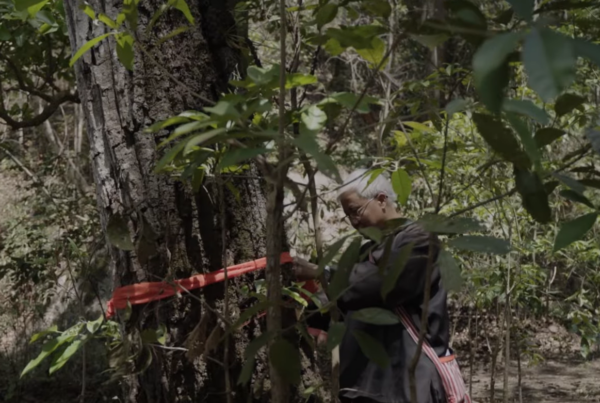
In the forests of  Mae E-Laeb Village, Pai District, nature is not protected by law alone. It is protected by faith, by belief, and by traditions passed down through generations.For the Lisu people, the forest is more than a source of food or materials. It…
Introducing a New Resource for Community-led Monitoring of Freshwater Turtles Biodiversity monitoringBlogCommunity-led conservationCountryFPPGTANWICCSPartnersThemesTraditional and local knowledgeType
18.02.26

Introducing a New Resource for Community-led Monitoring of Freshwater Turtles

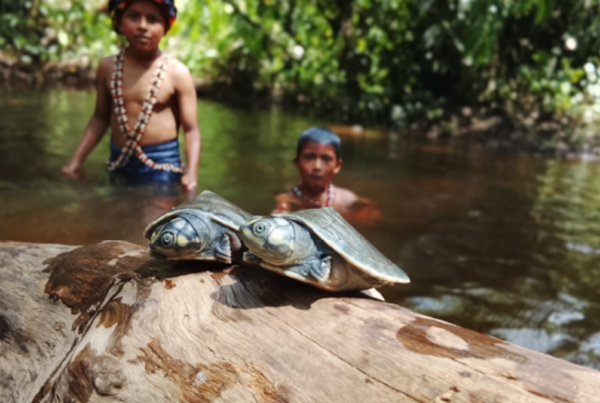
By Dr. Albana Berberi of Carleton University, joint blog post with the Interdisciplinary Centre for Conservation Science and Forest Peoples Programme.As adverse human impacts are driving rapid wildlife declines, monitoring vulnerable species is important now more than ever. Many freshwater turtles fall into this vulnerable…
Securing success for conservation and rights – perspectives from Indigenous Peoples on implementing Target 3 ArticleBiodiversity monitoringCIPDPCommunity-led conservationIMPECTKenyaPASDThailandThemes
09.12.25

Securing success for conservation and rights – perspectives from Indigenous Peoples on implementing Target 3

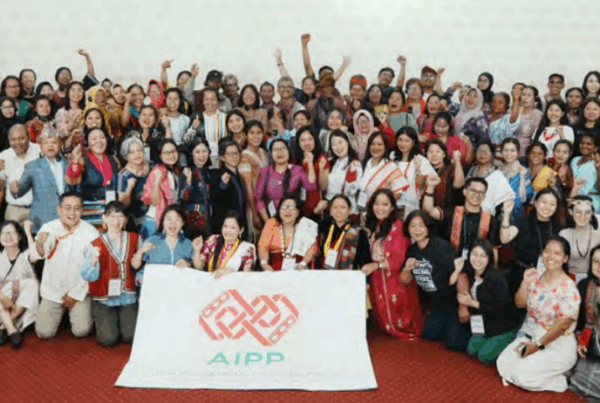
Target 3 of the Global Biodiversity Framework (GBF) commits countries to conserve at least 30 per cent of land, inland waters, and oceans by 2030, while also recognising and respecting the rights of Indigenous Peoples and of local communities in all forms of conservation. The…
Introducing a New Resource for Community-led monitoring of River Health and Biodiversity Biodiversity monitoringBlogFPPICCS
25.11.25

Introducing a New Resource for Community-led monitoring of River Health and Biodiversity

This piece was written by Dr Albana Berberi of Carleton University, Canada, and originally published on ICCS.org.ukGlobally, rivers are facing increasing pressure from adverse human activities and development. Pollution, habitat loss, species declines, and unsustainable resource use are common challenges facing freshwater ecosystems. At the same…
Community-based monitoring of river health and biodiversity Biodiversity monitoringCountryFPPICCSRegionReport
18.11.25

Community-based monitoring of river health and biodiversity

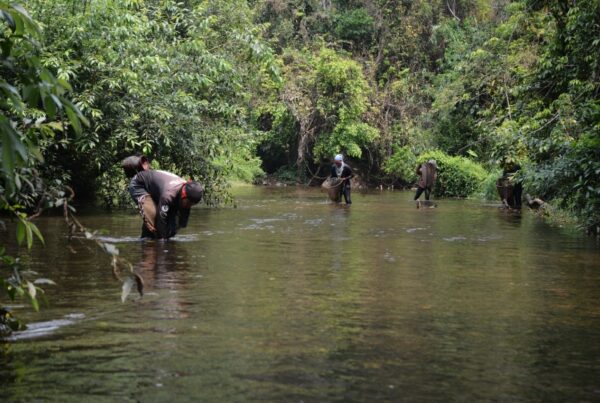
For Indigenous Peoples and local communities, rivers are not just sources of water—they are also essential for fishing, cooking, travelling, and sustaining daily life. In many cultures they also have deep spiritual significance. Where rivers become unhealthy, the impacts on people’s health, cultures and wellbeing…
“It is the way we live that conserves”: Legal models for rights-based conservation AfricaCommunity-led conservationFPPKenyaLand and resource rightsReportThe Americas
13.11.25

“It is the way we live that conserves”: Legal models for rights-based conservation

In this paper, we briefly review legal models for rights-based conservation from Australia, Tanzania, Kenya, Guyana, Brazil and Canada. We then outline some lessons learned and outline some general points of good practice for successful rights-based conservation. A fundamental prerequisite for rights-based conservation is recognition…
Sound as language: Biodiversity monitoring and CoMapeo’s new audio recording feature Biodiversity monitoringBlogCIPDPPartnersThemesType
16.09.25

Sound as language: Biodiversity monitoring and CoMapeo’s new audio recording feature

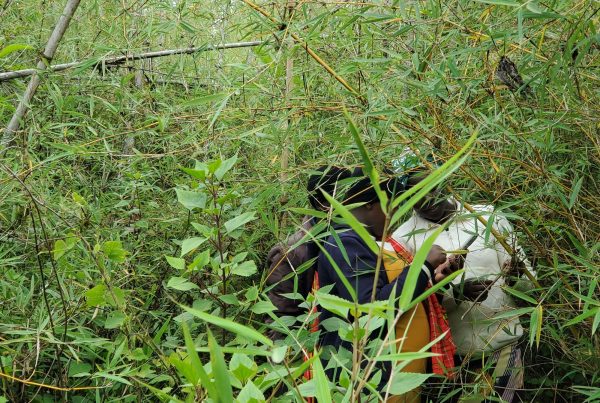
This blog article was originally written by María Alvarez Malvido for Awana Digital. Cover photo: Ogiek women using CoMapeo in the bamboo forests of Mt Elgon, Kenya, during biodiversity monitoring training. Photo by María Alvarez Malvido. “We call it sound, but it’s actually a language. Sound…
IMPECT supports 9 communities in affirming the rights of forest-dependent peoples through the development of participatory community mapping and customary land-use history documentation ArticleAsiaCountryIMPECTLand and resource rightsPartnersRegionThailandThemesUncategorised
12.09.25

IMPECT supports 9 communities in affirming the rights of forest-dependent peoples through the development of participatory community mapping and customary land-use history documentation

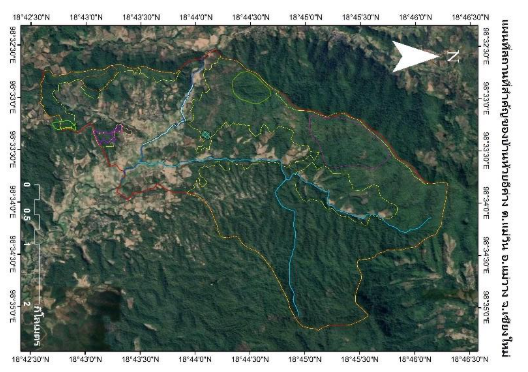
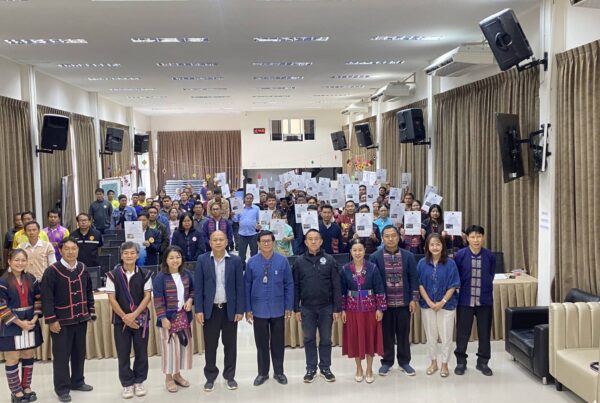
The preparation of Participatory Community Mapping and Customary Land-Use History is a critical process for community-based natural resource governance and the affirmation of land rights. It provides evidence demonstrating that specific areas have been customarily used since ancestral times. It also supports sustainable community development…