Category

FPP

Introducing a New Resource for Community-led monitoring of River Health and Biodiversity Biodiversity monitoringBlogFPPICCS
25.11.25

Introducing a New Resource for Community-led monitoring of River Health and Biodiversity

This piece was written by Dr Albana Berberi of Carleton University, Canada, and originally published on ICCS.org.ukGlobally, rivers are facing increasing pressure from adverse human activities and development. Pollution, habitat loss, species declines, and unsustainable resource use are common challenges facing freshwater ecosystems. At the same…
Community-based monitoring of river health and biodiversity Biodiversity monitoringCountryFPPICCSRegionReport
18.11.25

Community-based monitoring of river health and biodiversity

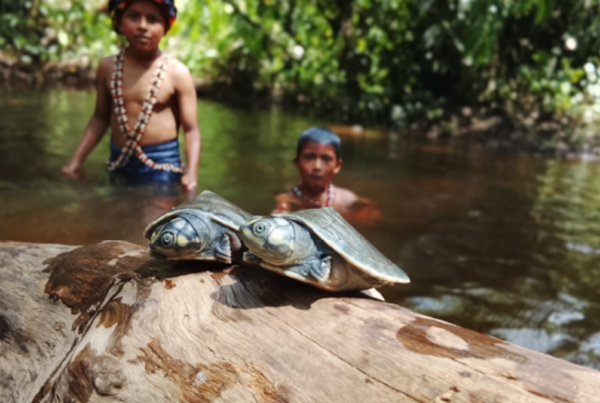
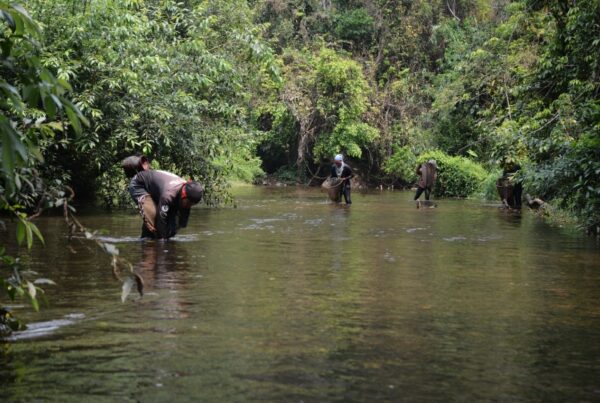
For Indigenous Peoples and local communities, rivers are not just sources of water—they are also essential for fishing, cooking, travelling, and sustaining daily life. In many cultures they also have deep spiritual significance. Where rivers become unhealthy, the impacts on people’s health, cultures and wellbeing…
“It is the way we live that conserves”: Legal models for rights-based conservation AfricaCommunity-led conservationFPPKenyaLand and resource rightsReportThe Americas
13.11.25

“It is the way we live that conserves”: Legal models for rights-based conservation

In this paper, we briefly review legal models for rights-based conservation from Australia, Tanzania, Kenya, Guyana, Brazil and Canada. We then outline some lessons learned and outline some general points of good practice for successful rights-based conservation. A fundamental prerequisite for rights-based conservation is recognition…
Janet and the Weavers in the Mountain of Mt. Elgon, Kenya AfricaBlogCIPDPCommunity-led conservationFPPKenyaSustainable livelihoodsTraditional and local knowledgeUncategorised
23.06.25

Janet and the Weavers in the Mountain of Mt. Elgon, Kenya

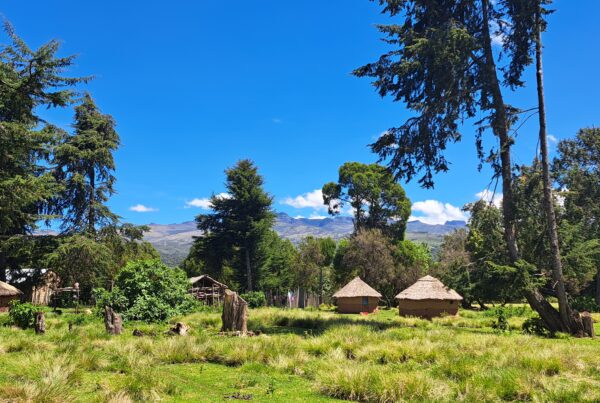
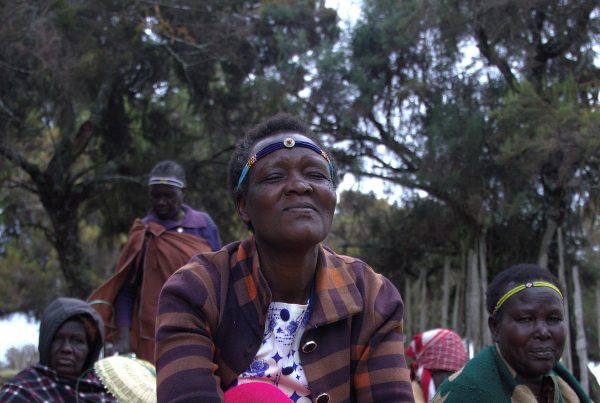
Blog article by Susana Núñez Lendo Janet Chemtai introduces herself: "I represent all the indigenous women across the mountain." . The mountain is Mount Elgon, an extinct volcano on the border between Uganda and Kenya. She is an Ogiek leader, chairwoman of the Chepkitale Women…
IIFB representatives at COP16
Outcomes of COP16 for Indigenous Peoples and local communities AfricaAIPPArticleAsiaCHIRAPAQCIPDPFPPGTANWICCSIINIMPECTInternational processesKenyaLMMalaysiaPACOSPASDPeruPhilippinesPIKPThailandThe AmericasThemesTypeUNEP-WCMC
27.11.24

Outcomes of COP16 for Indigenous Peoples and local communities

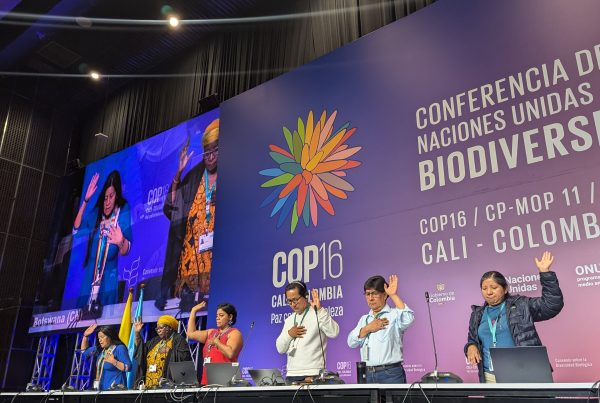
The Conference of the Parties related to biodiversity conservation and sustainable use had many positive outcomes, but ultimately was suspended without all decisions being finalised. In October 2024, governments, NGOs, Indigenous Peoples, local community representatives and other key actors came together in Cali, Colombia to…
Sharing knowledge on biodiversity: Meeting of the Yanesha and Shipibo peoples CHIRAPAQCommunity-led conservationFPPLand and resource rightsPeruSustainable livelihoodsThe AmericasTraditional and local knowledgeVideo
26.11.24

Sharing knowledge on biodiversity: Meeting of the Yanesha and Shipibo peoples

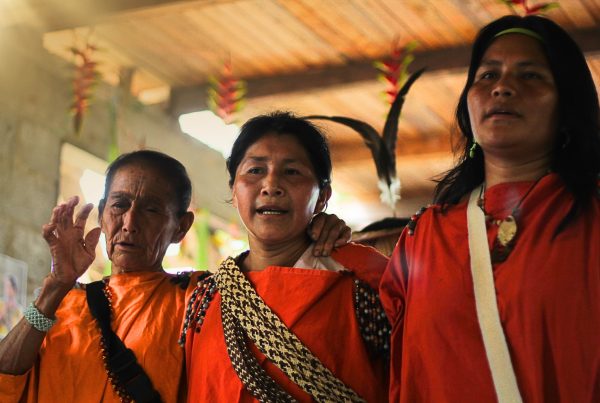
On 26 November 2024, a meeting on traditional knowledge on biodiversity took place between the Yanesha and Shipibo peoples in the community of Unión de la Selva, territory of the Yanesha people in the region of Pasco, Peru.Unión de la Selva is a community that…
Conservation and Human Rights: An Introduction AfricaAIPPAsiaBiodiversity monitoringCHIRAPAQCIPDPCommunity-led conservationCountryFPPGTANWICCSIINIMPECTKenyaLand and resource rightsLMMalaysiaPACOSPartnersPASDPeruPhilippinesPIKPRegionReportThailandThe AmericasThemesTypeUNEP-WCMC
30.10.24

Conservation and Human Rights: An Introduction

This guidance is intended as a resource for conservation professionals who are interested to learn more about the relationship between conservation and human rights, especially the rights of Indigenous peoples and local communities. A huge amount has been written on this topic over the past…
Training resources on the Convention on Biological Diversity AfricaAIPPAsiaBiodiversity monitoringBlogCHIRAPAQCIPDPCommunity-led conservationCountryFPPGTANWICCSIINIMPECTInternational processesKenyaLand and resource rightsLMMalaysiaPACOSPartnersPASDPeruPhilippinesPIKPRegionThailandThe AmericasThemesTraditional and local knowledgeTypeUNEP-WCMC
28.10.24

Training resources on the Convention on Biological Diversity

This booklet series provides Indigenous Peoples and local communities with key insights into the Convention on Biological Diversity (CBD) and the Kunming-Montreal Global Biodiversity Framework (GBF), and its Target 3, focusing on their rights and participation in global conservation efforts. It offers guidance on engaging…
Ensuring the sustainability of customary use on Indigenous and community-held lands AfricaAIPPAsiaCHIRAPAQCIPDPCommunity-led conservationCountryFPPGTANWICCSIINIMPECTKenyaLand and resource rightsLMMalaysiaPACOSPartnersPASDPeruPhilippinesPIKPRegionReportSustainable livelihoodsThailandThe AmericasThemesTraditional and local knowledgeTypeUNEP-WCMC
17.10.24

Ensuring the sustainability of customary use on Indigenous and community-held lands

This guide is for local organisations (e.g. community-based organisations and trusted local non-governmental organisations) which are supporting Indigenous Peoples and local communities (IP & LCs) in their desire to assess the sustainability of natural resources on their lands (both terrestrial and marine), and implement activities…
E-Sak Ka Ou Declaration Now Available in 12 Languages AIPPArticleAsiaBiodiversity monitoringCountryFPPIMPECTInternational processesLand and resource rightsPartnersPASDPhilippinesRegionThemesTraditional and local knowledgeType
03.07.24

E-Sak Ka Ou Declaration Now Available in 12 Languages

The Asia Indigenous Peoples Pact (AIPP) organized a regional conference on Indigenous Peoples’ Rights, Biodiversity, and Climate Change from November 5-8, 2023, in Krabi, Thailand. This conference marked the first regional activity under AIPP’s ongoing Transformative Pathways Project.  A key outcome of the conference was…