By Dr. Albana Berberi of Carleton University, joint blog post with the Interdisciplinary Centre for Conservation Science and Forest Peoples Programme.
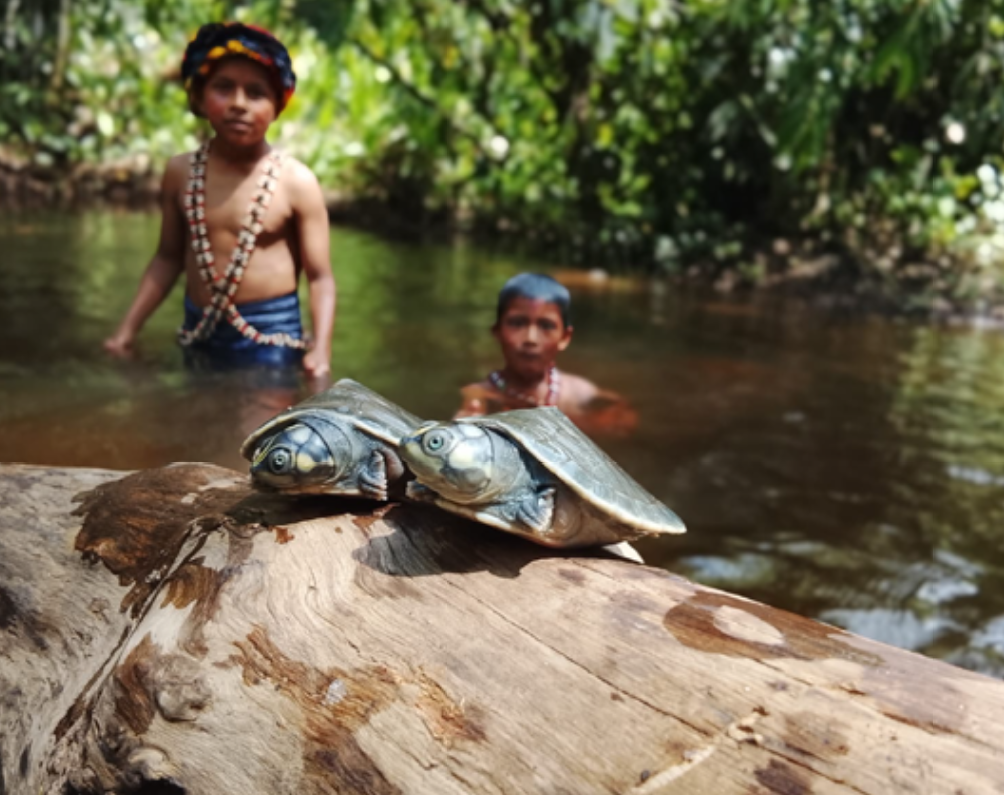
As adverse human impacts are driving rapid wildlife declines, monitoring vulnerable species is important now more than ever. Many freshwater turtles fall into this vulnerable species category. Although turtles are capable of living long lives, their survival and habitats may be exposed to serious threats, even before newborn turtles hatch from their eggs.
Monitoring turtles in rivers and streams can help track changes in their populations and their presence in the environment. Monitoring can involve collecting information on whether there are more or fewer turtles basking than in the past, whether there are any changes in number of nests each year, and whether there are plenty of young turtles to form the next generation of adults. If any indication shows decline, turtles may need help and protection to make sure they will still be around for many generations to come.
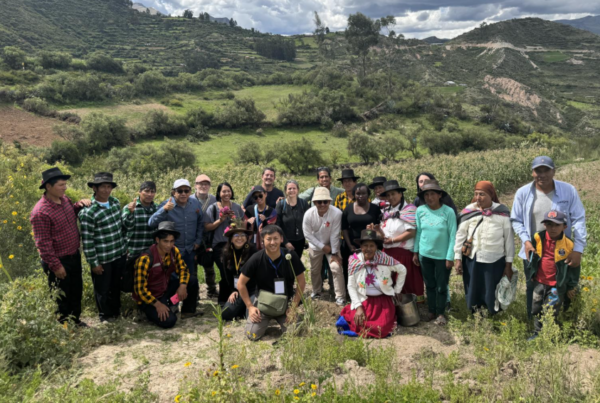
Our guide, “Community-based monitoring of freshwater turtles,” outlines steps in setting up and carrying out community-led monitoring of freshwater turtles. It was developed to support the incredibly successful and ongoing turtle repopulation program led by the Autonomous Territorial Government of the Wampís Nation, and to further guide and inspire Indigenous and local community-led initiatives focused on freshwater turtle monitoring. This guide is supplementary to Transformative Pathway’s “Community-Based Monitoring of River Health and Biodiversity,” with Section 5 specifically dedicated to monitoring freshwater turtles.
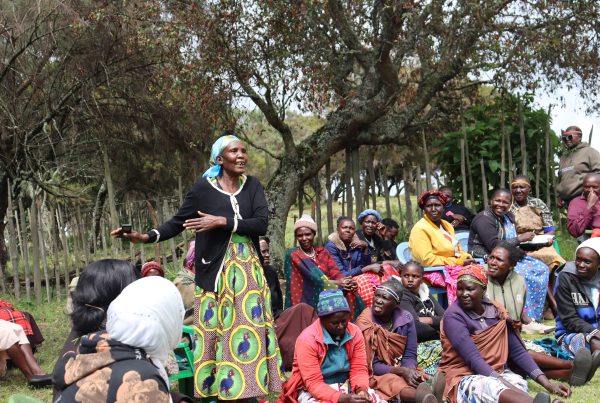
What makes this guide unique is that it emphasizes the observations and knowledge of community members on vulnerable turtle species in their rivers and streams, while providing practical tools and training based on established turtle monitoring protocols. More information about how communities can systematically record observations about the state of the environment can be found in the guide “Introduction to Community-Based Environmental Monitoring: A Practical Guidance for Monitoring of Natural Resources by Indigenous Peoples and Local Communities.” By building local turtle monitoring capacity, communities are able to independently lead turtle monitoring initiatives, generate reliable data on turtle populations, and contribute evidence that can inform local to international conservation efforts. In this way, this guide not only empowers local stewardship, but also strengthens long-term community-led conservation and sustainable management of freshwater environments.

Dashed line